What is a Hydraulic Drum Lifter and How Does It Work?
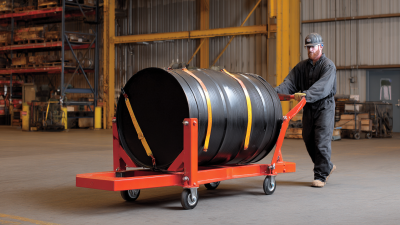
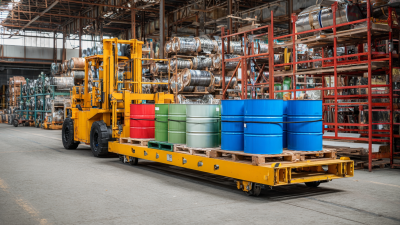
Hydraulic drum lifters are essential tools in industrial settings. They simplify the process of moving heavy drums safely and efficiently. By harnessing hydraulic power, these devices lift, tilt, and transport drums with ease.
Using a hydraulic drum lifter means less physical strain on workers. The ergonomic design enhances safety and productivity. Imagine a worker effortlessly lifting a 55-gallon drum with just a push of a button. This innovation drastically reduces the risk of injury. However, not all hydraulic drum lifters are created equal. Some may lack durability or require frequent maintenance.
It's crucial to choose the right model for specific tasks. Understand the weight capacity and the environment in which it will be used. Investing in a quality hydraulic drum lifter can save time and prevent accidents. Thoughtful consideration will lead to better operational efficiency in the workplace.
What Is a Hydraulic Drum Lifter?
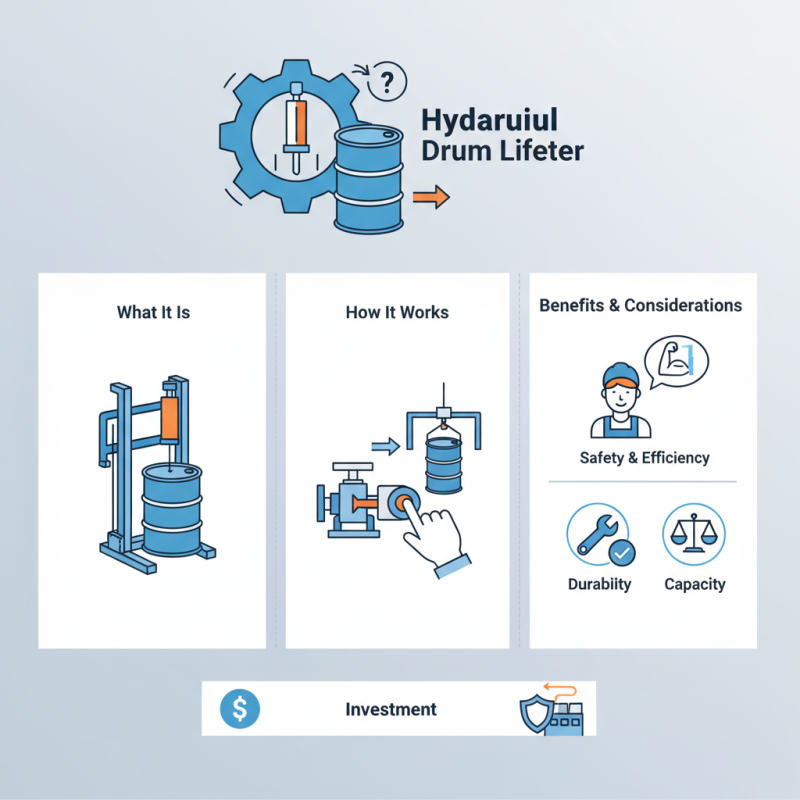
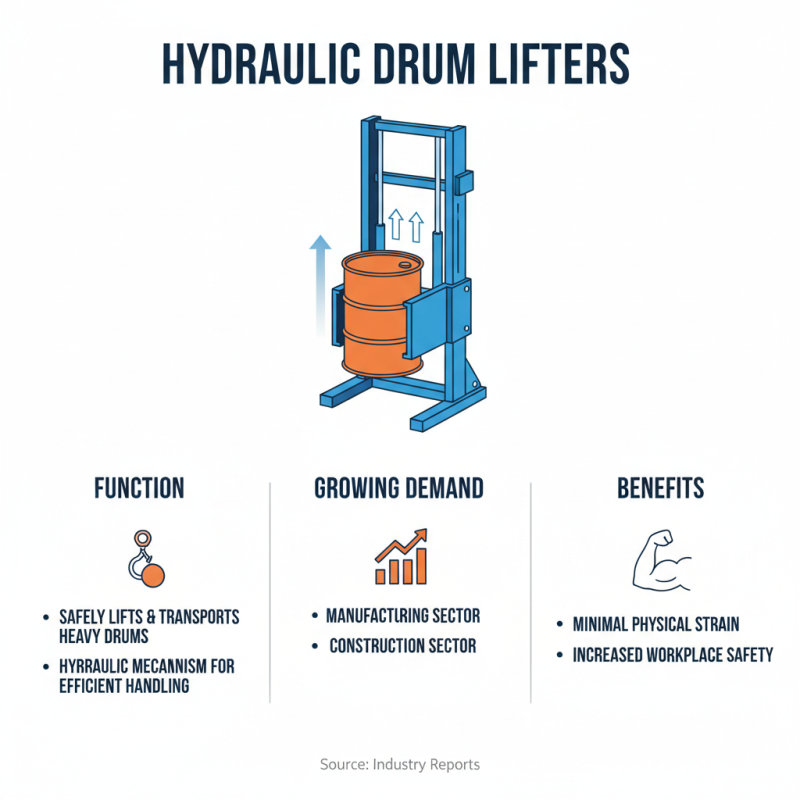
A hydraulic drum lifter is a specialized device designed to lift and transport heavy drums safely. These lifters use hydraulic mechanisms, allowing for efficient handling of materials. According to industry reports, the demand for drum lifters is growing in sectors like manufacturing and construction. They provide a way to move bulky goods with minimal physical strain on workers.
The operation is straightforward. The lifter's hydraulic pump raises the drum into a secure position for movement. This reduces the risk of workplace injuries. Industry studies suggest that over 30% of workplace injuries stem from manual lifting. Hydraulic drum lifters effectively address this issue, promoting better safety practices. They can lift drums weighing up to 2,000 pounds, making them suitable for various industrial applications.
Many companies still hesitate to invest in innovative lifting solutions. They often overlook the impact of ergonomic equipment on productivity. It's essential to recognize the balance between cost and safety. Research shows that aligning safety equipment with operational needs leads to higher efficiency. Adopting hydraulic drum lifters can significantly improve worker safety and operations in handling heavy materials.
Key Components of Hydraulic Drum Lifters
Hydraulic drum lifters are essential tools in various industries. They are designed to lift and transport heavy drums safely and efficiently. Understanding their key components can enhance operational effectiveness.
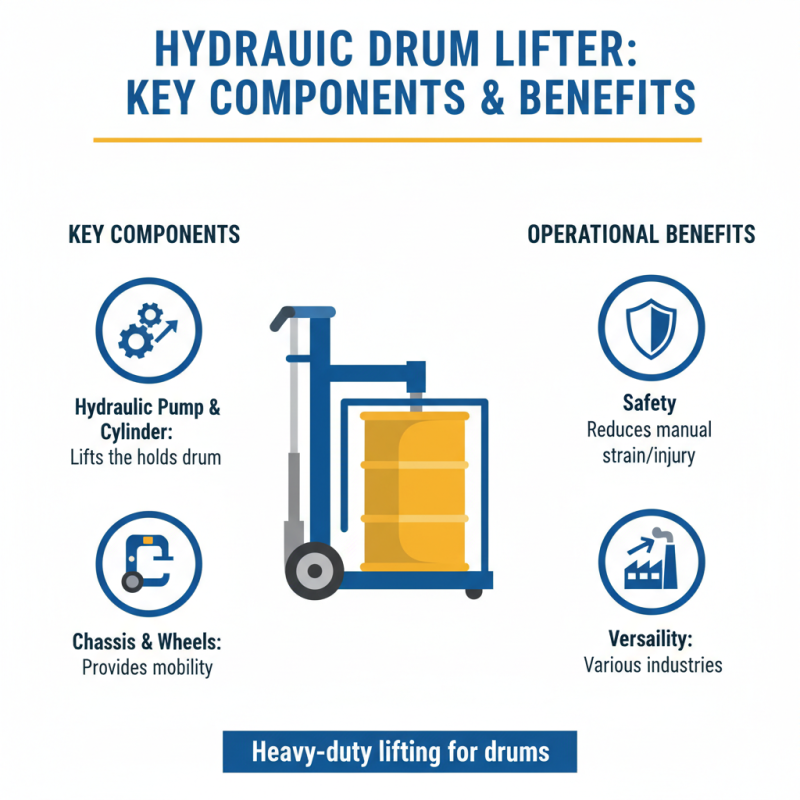
The primary component of a hydraulic drum lifter is the hydraulic system. It uses fluid pressure to lift heavy loads. The pump generates hydraulic pressure, while cylinders convert this pressure into lifting force. Another crucial part is the frame, which supports the load and provides stability. It is often made from robust materials for durability. Additionally, the drum cradle secures the drum, preventing spills.
Tips: Always check the hydraulic fluid levels before use. Regular maintenance is vital to ensure safety. Inspecting for leaks can prevent accidents.
In a report by the Occupational Safety and Health Administration (OSHA), proper equipment can reduce workplace injuries by up to 30%. Despite these advances, some users overlook maintenance schedules. This neglect can lead to failures in equipment performance. Ensuring that all components are working well is crucial. Systems can be complicated, and minor issues might escalate. Regular checks can mitigate long-term risks.
How Hydraulic Drum Lifters Operate
Hydraulic drum lifters are essential in various industrial settings. They help move heavy drums with ease. These devices utilize hydraulic systems to lift and transport drums weighing up to 1,000 pounds. The lifting mechanism relies on hydraulic fluid, which is compressed to create the necessary force. This design reduces operator strain and increases safety.
A report from the Material Handling Industry suggests that over 60% of workplace injuries come from manual lifting. This statistic emphasizes the importance of hydraulic solutions. When operators use hydraulic drum lifters, they can reduce their risk of injury. The advantages extend beyond safety. Increased efficiency is another significant benefit. Workers can achieve more in less time.
Despite these benefits, there are challenges. Not all workplaces can accommodate hydraulic drum lifters. Space constraints can limit their use. Additionally, some operators might not receive proper training. This can lead to incorrect usage and potential accidents. Companies must ensure training and support. Investing in hydraulic drum lifters is worthwhile, but attention to detail is crucial.
Hydraulic Drum Lifter Performance Comparison
Applications of Hydraulic Drum Lifters in Industry
Hydraulic drum lifters are essential tools in various industries. They provide convenience and safety while handling heavy drums. These lifters eliminate the need for manual lifting, which can lead to injuries. In fact, the U.S. Bureau of Labor Statistics reported that lifting injuries account for nearly 25% of all workplace injuries. By using hydraulic drum lifters, companies can significantly reduce these risks.
These lifters are commonly used in manufacturing, warehousing, and chemical handling. In the manufacturing sector, they help move heavy drums that contain raw materials. According to a recent industry report, 70% of manufacturing facilities have adopted some form of hydraulic equipment for improved efficiency. Warehouses also utilize these devices to streamline operations and enhance productivity. They allow for quick loading and unloading, which is crucial in fast-paced environments.
Tip: Regular maintenance of hydraulic drum lifters is crucial. Check for leaks and perform routine inspections. This can prevent unexpected breakdowns. Keeping equipment in top shape ensures safety and prolongs its lifespan.
In chemical handling, these lifters assist in moving hazardous materials safely. They minimize the risk of spills and exposure. However, users must be aware of their limits. Overloading a lifter can lead to failures. It’s important to assess drum weight before use. Always consult the manufacturer's specifications for safe handling.
Safety Considerations When Using Hydraulic Drum Lifters
Using a hydraulic drum lifter can be safe, but precautions are essential. Always inspect the lifter before use. Check for any visible damage or wear. A damaged lifter could lead to accidents. Make sure all hoses are securely attached.
When lifting, ensure the drum is centered. An off-center load can cause tipping. Also, maintain a clear area around the lifter. It reduces the risk of collisions. It’s critical to train all users properly. They should know how to operate the equipment safely.
Tips: Always wear appropriate personal protective equipment. Steel-toed boots and gloves are recommended. Keep communication open among team members when using the lifter. If there's confusion, stop and clarify. Remember, safety is a shared responsibility.
What is a Hydraulic Drum Lifter and How Does It Work? - Safety Considerations When Using Hydraulic Drum Lifters
| Feature |
Description |
| Type |
Hydraulic Drum Lifter |
| Capacity |
Up to 2,000 lbs |
| Lift Mechanism |
Hydraulic system powered by manual or electric pump |
| Usage |
Moving and lifting 55-gallon drums |
| Safety Feature |
Overload protection to prevent equipment failure |
| Recommended Training |
Proper use and safety training for operators |
| Common Hazards |
Pinching, tipping, and falling objects |
| Maintenance |
Regular inspection and hydraulic fluid checks |